DevSecOps: Integrating Security into the Software Development Lifecycle

Introduction
In today’s fast-paced digital landscape, organizations face the dual challenge of delivering software rapidly while ensuring robust security. DevSecOps, a framework that combines development, security, and operations, has emerged as a critical approach to address this dilemma. In this essay, we will explore the concept of DevSecOps, its importance, key components, and its impact on software security.
What is DevSecOps?
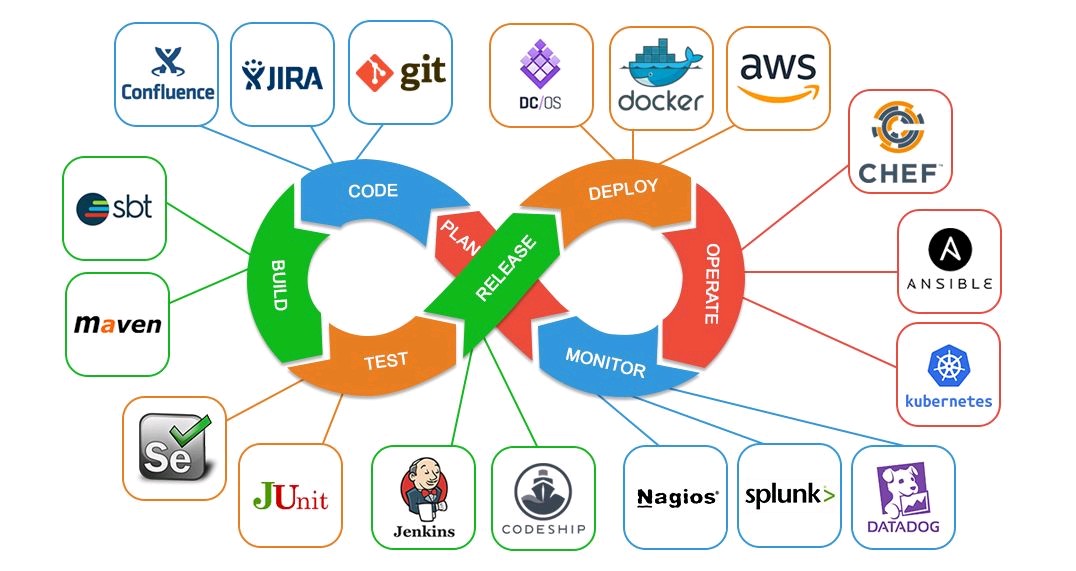
DevSecOps integrates security practices into every phase of the software development lifecycle (SDLC). Unlike traditional approaches where security is an afterthought, DevSecOps emphasizes proactive security measures from the project’s inception. By fostering collaboration, automation, and clear processes, DevSecOps ensures that security is everyone’s responsibility, not just a specialized team’s.
Why is DevSecOps Important?
Software vulnerabilities are a common target for attackers seeking unauthorized access to an organization’s data and assets. Breaches resulting from misconfigurations or other security flaws can be costly, time-consuming, and damaging to a company’s reputation. DevSecOps aims to reduce these risks by addressing security issues early in the development process. By integrating security practices throughout the SDLC, organizations can release code with confidence, knowing that it has been thoroughly vetted for vulnerabilities.
Key Components of DevSecOps
A successful DevSecOps process includes the following components:
Continuous Integration (CI): Developers commit their code to a central repository multiple times a day. Automated integration and testing catch issues early, preventing them from accumulating until the end of the development cycle. CI ensures that code quality and security are maintained throughout the project.
Shift Left Security: DevSecOps encourages teams to discuss security implications during planning and testing. Rather than waiting until the end, security assessments begin in development environments. This proactive approach is often referred to as “shift left security” because it moves security practices earlier in the SDLC.
Collaboration: DevSecOps breaks down silos between development, security, and operations teams. Regular communication ensures that security considerations are part of the ongoing dialogue, leading to better-informed decisions and more secure code.
Automation: Automated security testing, vulnerability scanning, and compliance checks streamline the process. Automation allows teams to identify and address security issues efficiently, without slowing down development.
Conclusion
DevSecOps represents a natural evolution in software development, emphasizing security alongside speed and efficiency. By adopting this framework, organizations can build a culture of security awareness, reduce risks, and deliver high-quality software that meets both customer expectations and security standards.
Comments
Join the discussionNo comments yet. Be the first to comment.